7 Essential Tips for Preventing and Treating Fleas and Ticks on Your Dog

It's important to keep your furry friend safe from fleas and ticks, which may infest your pet, posing a threat to their overall health and happiness. If not fully managed, these unwanted pests can cause inconvenience as well as health problems. Here are seven ways to prevent fleas and ticks on your dog and treat them if they’re already on your pet.
Conduct Regular Inspections
Routine checks can help to identify issues in their early stages:
Regular Inspections: Check your dog often for fleas and ticks, especially after spending time outdoors. Check for scratches, redness or small black specks in their furFeatures
Key Problem Areas: Ticks often attach to warm parts of the body, including the ears, neck and between the toes. Inspect these locations especially closely.
Keep a Clean Home
Keeping a clean environment is crucial in preventing fleas and ticks:
Regular Cleaning: Sweep or vacuum your entire house regularly, especially the spots where your dog sleeps or hangs out. Wash your dog’s bedding weekly in hot water to kill any hidden pests.
Yard Cleanliness: Do necessary yard maintenance like cut the grass & trim bushes regularly. Keeping tall grass and dense underbrush trimmed short reduces the amount of space ticks can inhabit.
Use Preventive Treatments
Prevention is your best line of attack:
Regular Shower: Investing in a veterinarian-approved topical solution is also important that is best for repelling those tiny creatures. These are protective layers on your dog’s skin.
Alternatives to Flea and Tick Prevention for Cats Oral Medications: Similar to that of preventative and treat flea and tick medication, oral treatments available to the market claim to kill fleas but evaluating the safety and efficacy remain questionable. Speak to your vet to find the option best suited for your dog’s individual needs.
A good quality flea and tick collar is worth investing in
A good collar can provide considerable protection:
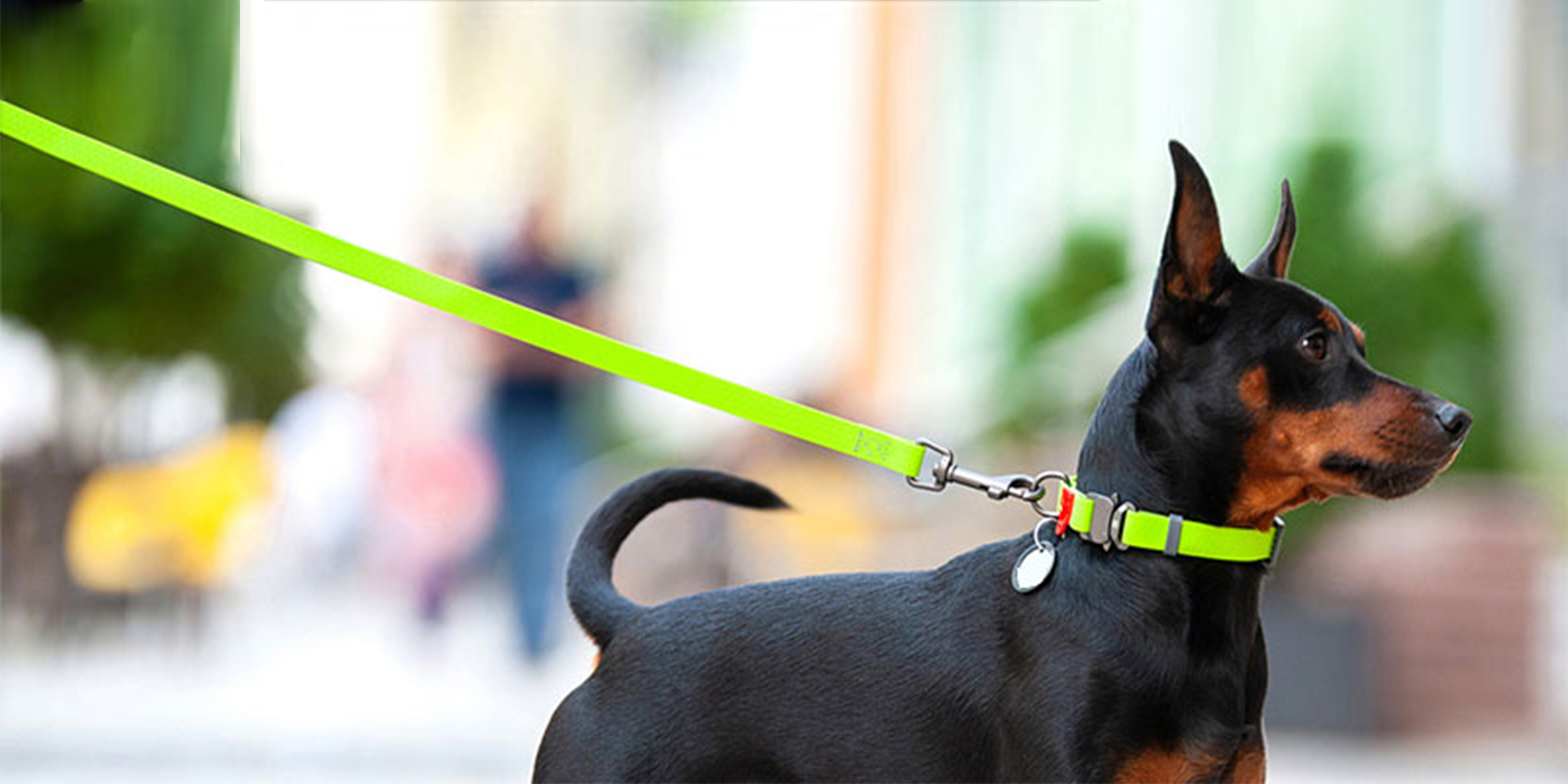
Choose Appropriate Flea and Tick Collar: Find effective flea and tick collars that are of good quality. Make sure it is comfortable and secure for your dog.
Regular Replacement: Replace according to manufacturer guidance for optimal pest deterrent effectiveness.
Keep Your Grooming Routine Consistent
Regular grooming can help you keep your dog pest-free:
Routine Brushing: Regularly brushing your dog helps not only remove loose and dirt fur from their coat but also can make it easier to catch fleas or ticks beforehand! This also helps to distribute the natural oils for a healthy coat.
Flea Shampoo: Using a vet-approved flea shampoo can remove your dog’s pests and relieve their skin pain.
Act Quickly on Infestations
If you find fleas or ticks, act quickly:
Treat Immediately: If you see fleas or ticks on your dog, treat the dog immediately with flea and tick medications. Procrastination can result in big infestations and health complications.
Seek Veterinarian Help: For severe infestations or when in doubt, consult your veterinarian for the best treatment options.
Stay Informed and Educated
Another important factor related to prevention is knowledge:
Read Up: Flea and tick prevention research is ongoing. By knowing their life cycles and behaviors, you can take timely action.
Local alerts: Be aware of flea and tick populations in your area — certain regions face outbreaks in certain seasons. And accordingly, adjust your preventive measures.
Conclusion
Flea and tick prevention and treatment is not only important for your dog’s comfort but also critical to their health. Implementing these seven strategies will not only help you to eliminate annoying and harmful pests, it will create a safe environment for your furry friend as well.
As long as you take care of them properly and preventively, your dog will get to live a happy, healthy life with adventures!
Why Does Your Dog Stop During Walks? 5 Common Causes and Solutions
7 Simple Ways to Improve Your Dog's Recall: Tips from KOOWIN
Related Article