Are You Holding Your Dog’s Leash Correctly? Tips from KOOWIN
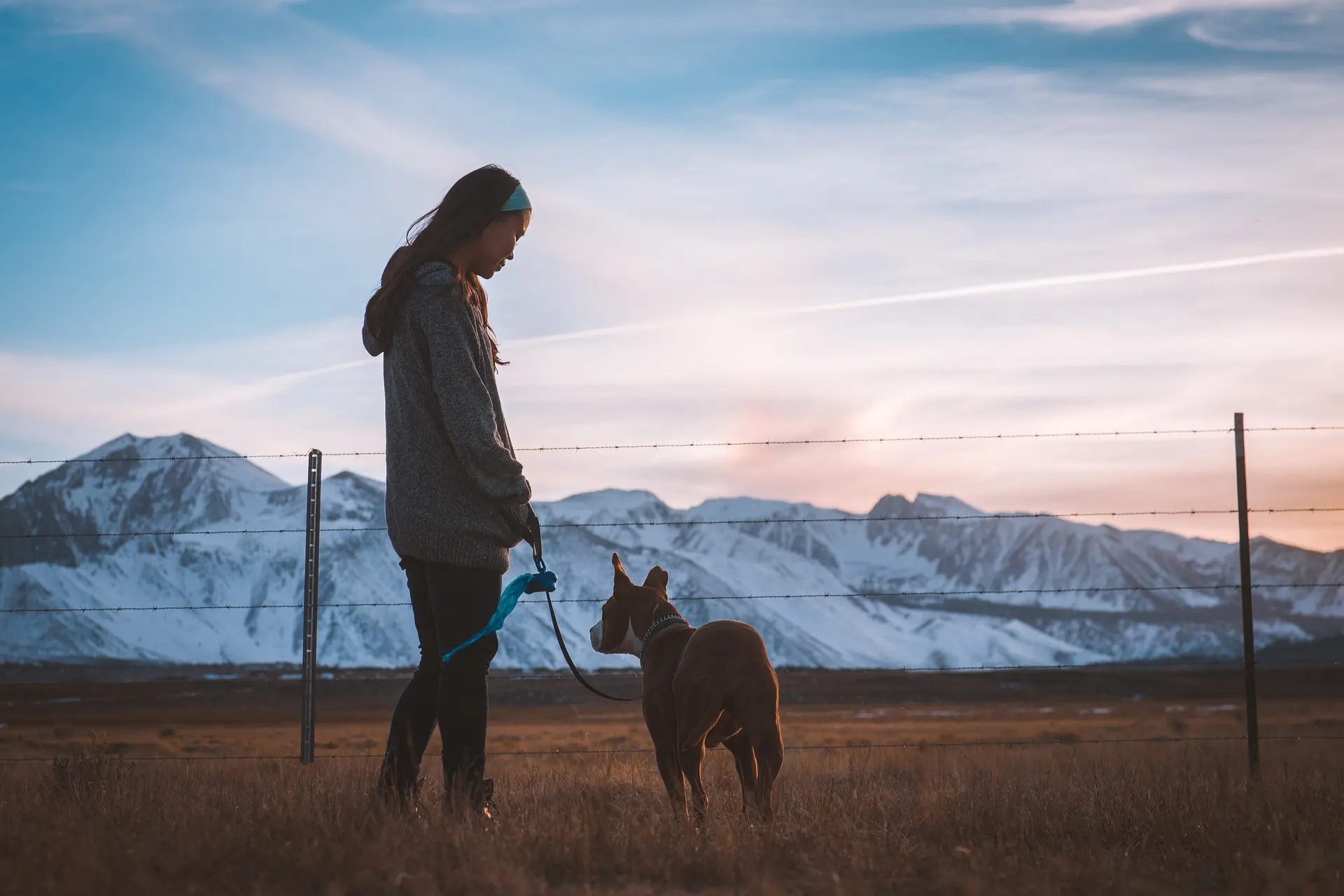
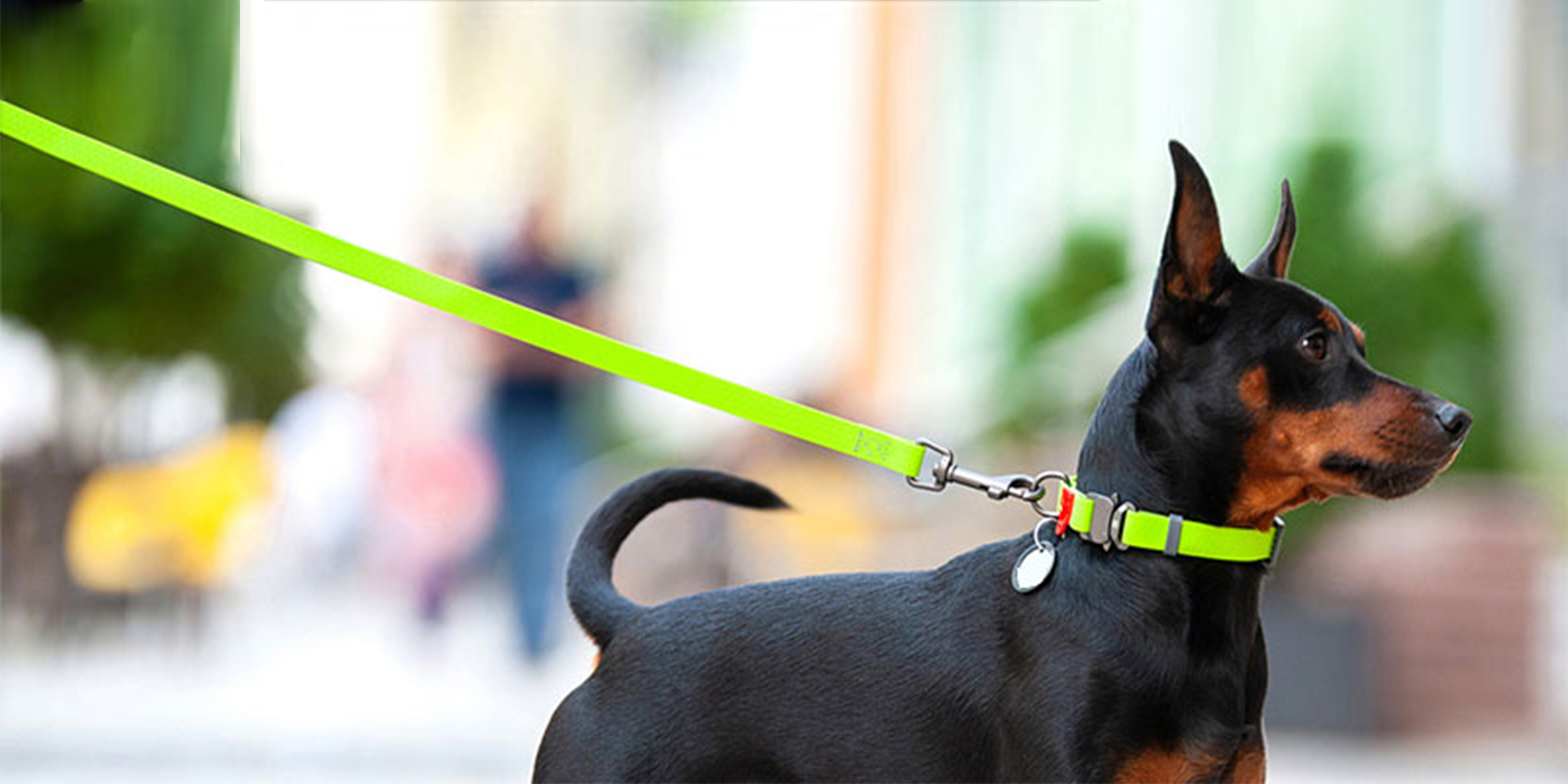
With something as simple as walking your dog, the way you hold the leash can make a world of difference in your experience and what your dog does. A good grip will provide better control and a more relaxed experience for you and your pup. As a manufacturer of durable high quality PVC dog collars and leashes, KOOWIN wants to help you become the handle-leash master. Here’s the right way to hold your dog’s leash for a smoother, more rewarding walk.
The Right Length for Your Leash
ManeuverabilityTo be able to get through tight spots, the length of your leash is very important:
Standard Leash Length: A 6-foot standard leash is usually the best approximate length for most walks to provide enough freedom without scaring off your dog. This length is shorter so that you can keep your dog close to you in crowded areas and the extra length can be used when in open environments.
Adjustable Leashes: Use an adjustable leash that you can keep longer or shorter depending on your setting. This versatility will enable you to learn to adjust to various walking situations, allowing you and your island plenty of comforts.
Grip the Leash Properly
For example, using a leash in an efficient way can transform a not very confident dog into a self-assured one.
Grip It Well: Use your dominant hand to hold the leash, and keep a firm but relaxed grip. That way, you can immediately change your hold based on what your dog is doing — without tensing up.
Two Hands for Bigger Dogs: Larger or more hyperactive dogs may require you to use both hands to ensure you are in control. Hold the leash in your dominant hand Number you should make sure that your other hand is used to guide and manage sudden movements.
Keep Control with a Short Leash
The leash must be kept tight in order to communicate:
Short Leash = Short Distance: Keep an arms length leash distance, no pulling This keeps your dog close to you, which reinforces your leadership on the walk.
No Excessive Tension: While you want to keep the leash short, it should not be too tensed. Give your dog some freedom while still being able to direct the way when needed.
Communicate With Body Language
Here’s why your body language is so important in leash handling:
Habit 2 : Walk Facing Forward — Walking forward can help communicate to your pup that you are in control. This stance promotes them to follow your head and feel secure.
Gracefully Divert: When you need to redirect your dog, guide them with your body. You take a step in the direction you want to go, and give the leash a slight tug to encourage your dog to follow your movement.
Engage in Positive Reinforcement
It’s important to encourage good behavior on walks:
Positive Reinforcement: Reward good behavior by offering treats or praise when your dog walks well on the leash. By rewarding them with praise and treats for positive behavior, they are able to better understand the behavior you want from them, and it will help make walks more enjoyable as well.
Keep Going: Consistency is the key in training. And always use the same commands and signals so that your dog starts associating your cues with the relevant actions.
Conclusion: Strike With Confidence
How you hold your dog’s leash significantly impacts the tone of your walk, as well as their comfort level. Finding the appropriate leash length, gripping the leash correctly, maintaining control, utilizing body language, and incorporating positive reinforcement will help you build a stronger bond with your canine friend.
KOOWIN is dedicated to supplying a high-quality PVC collar and leash that embraces comfort and durability. With the right tools and techniques, your walks can turn into an enjoyable adventure for you and your dog!
5 Incredible Benefits of Training Your Dog: Insights from KOOWIN
4 Most Effective Ways to Improve Your Dog’s Fitness: Tips from KOOWIN
Related Article